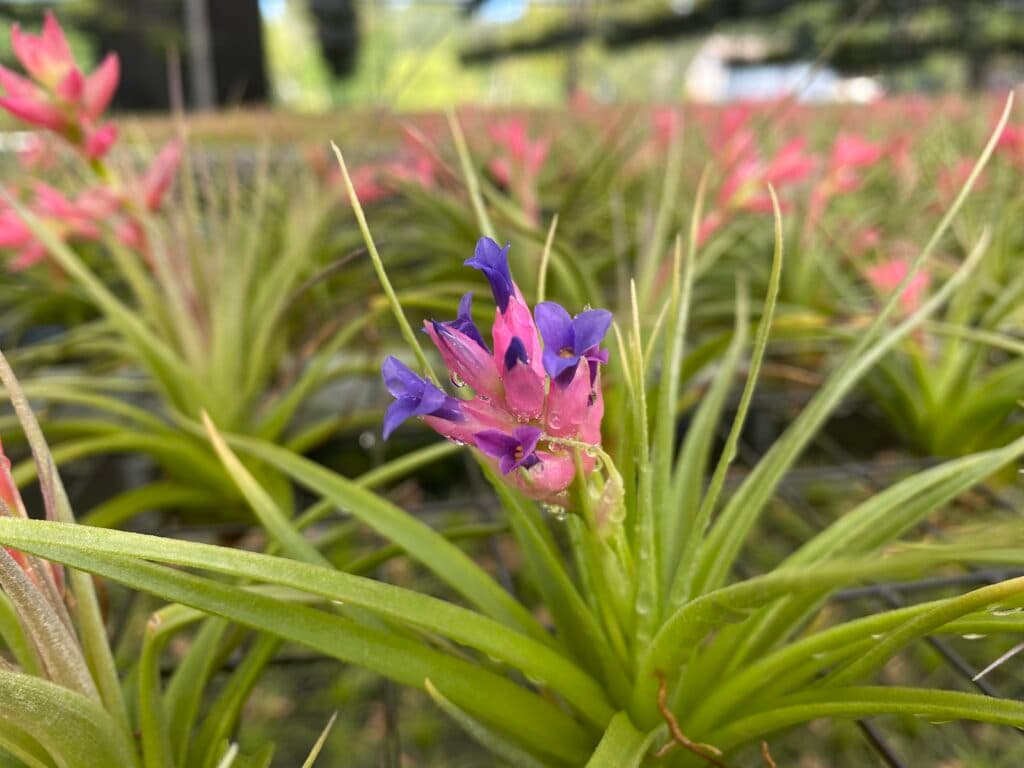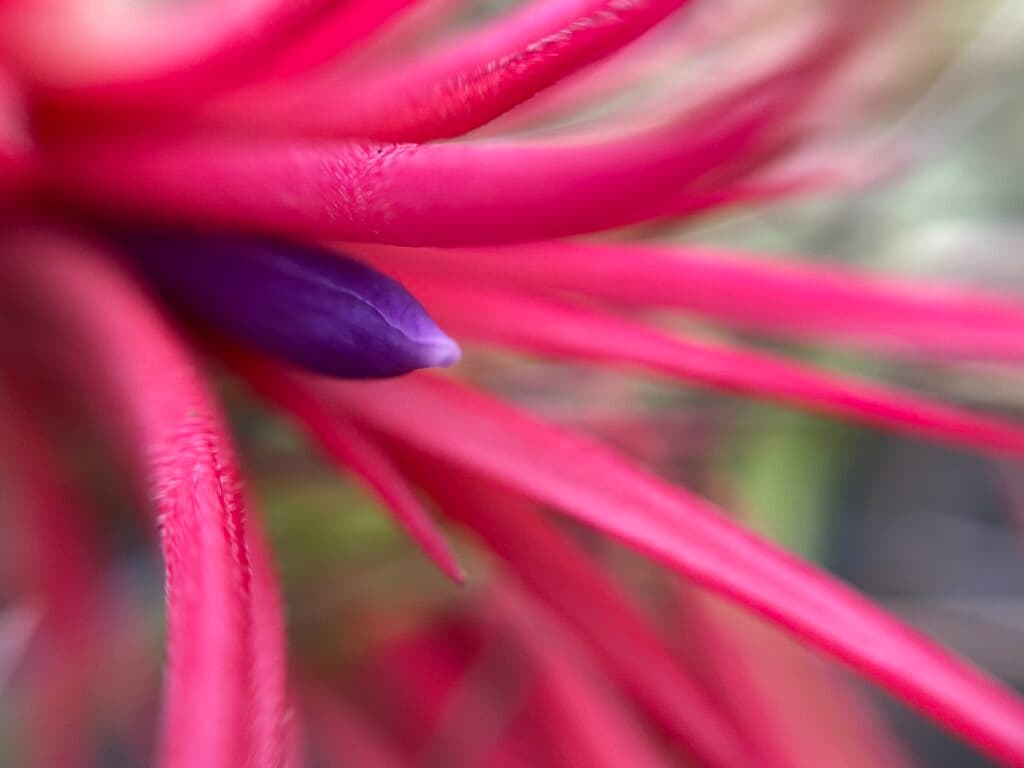
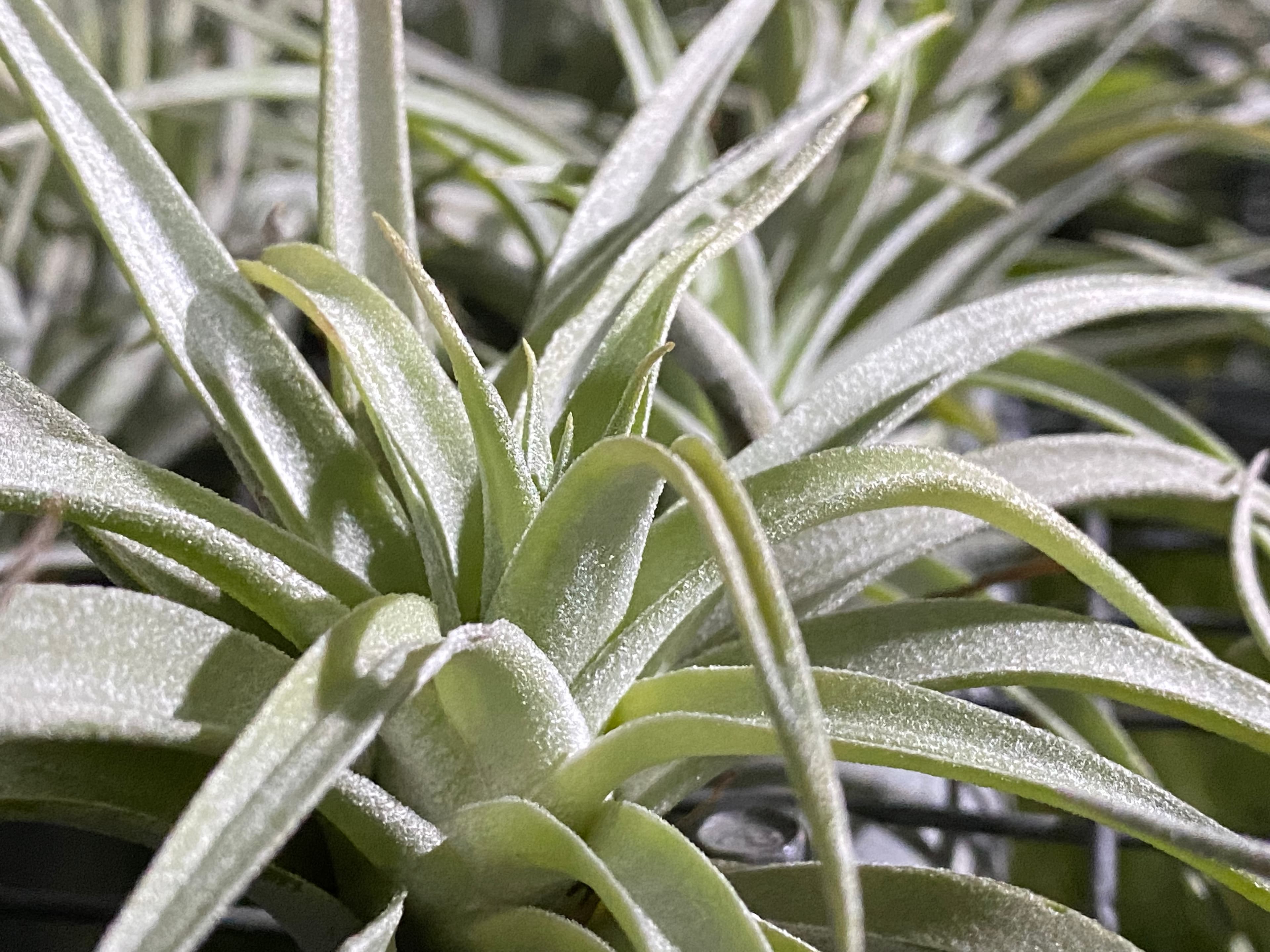
What Are Air Plants?
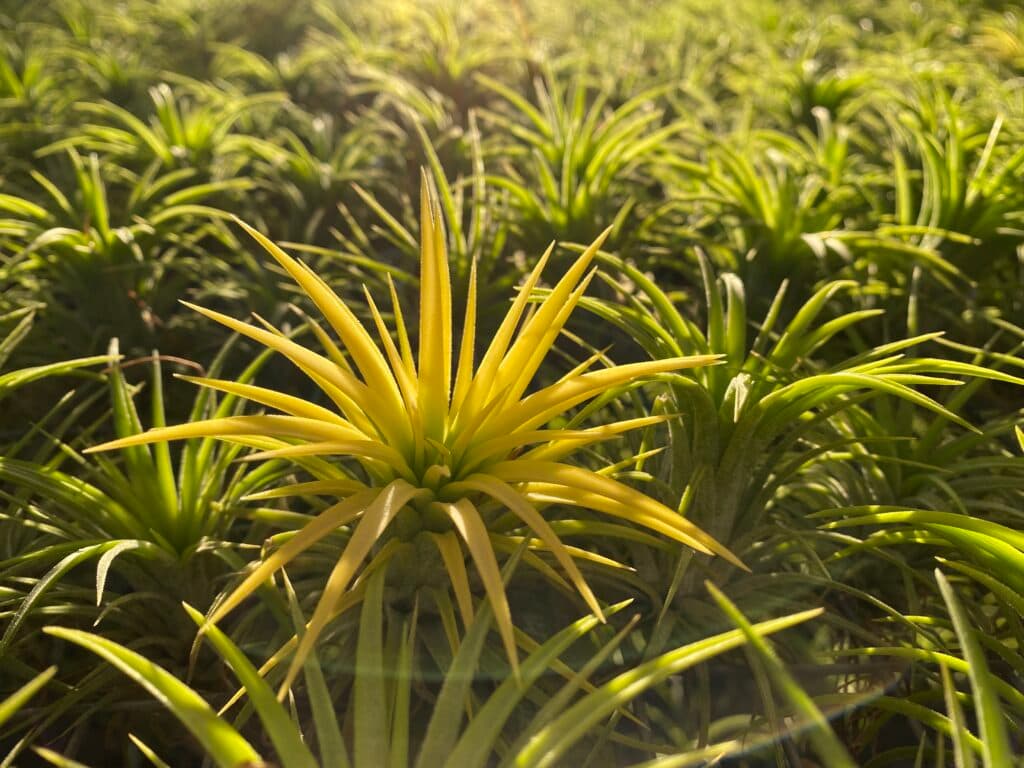
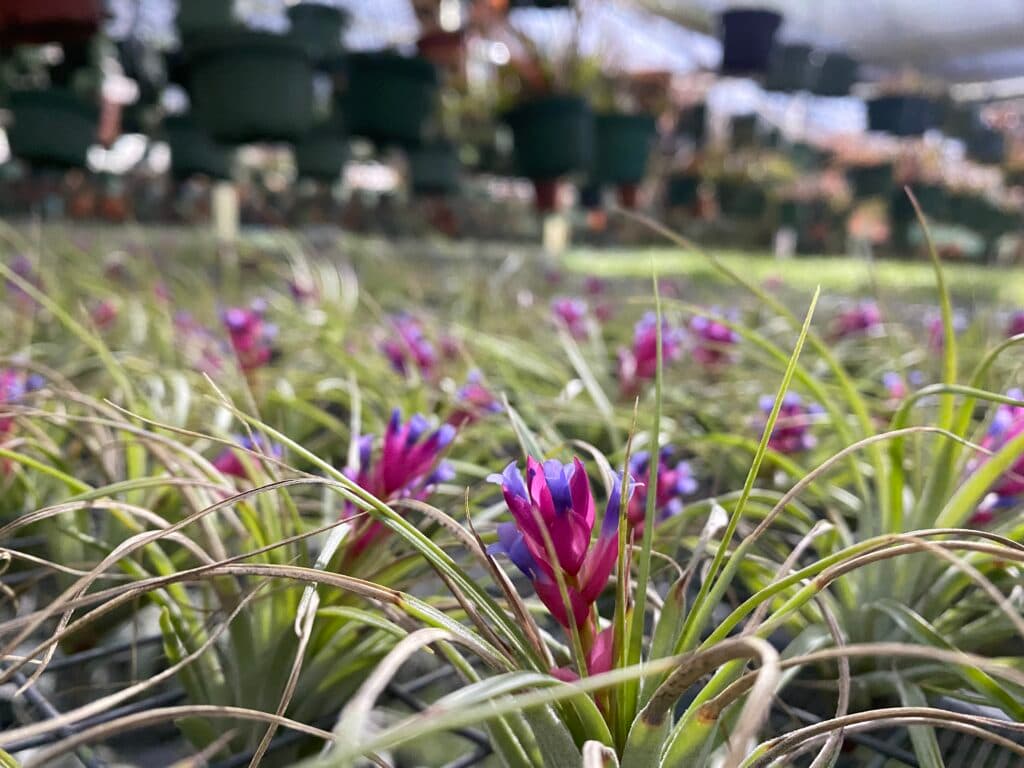
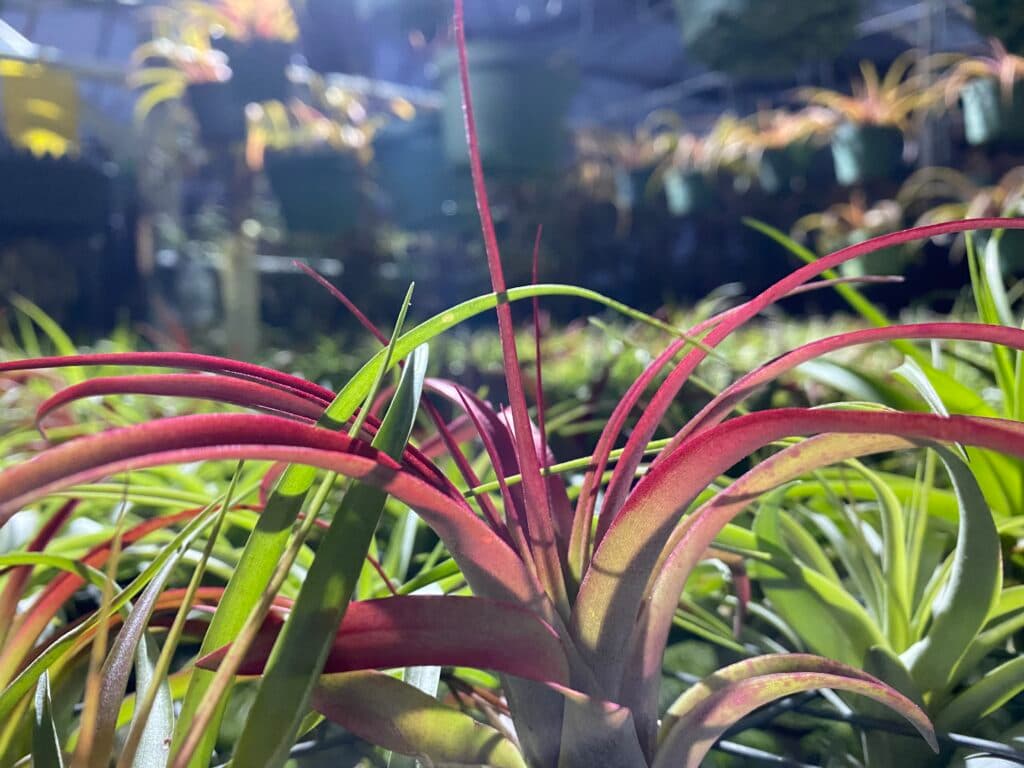
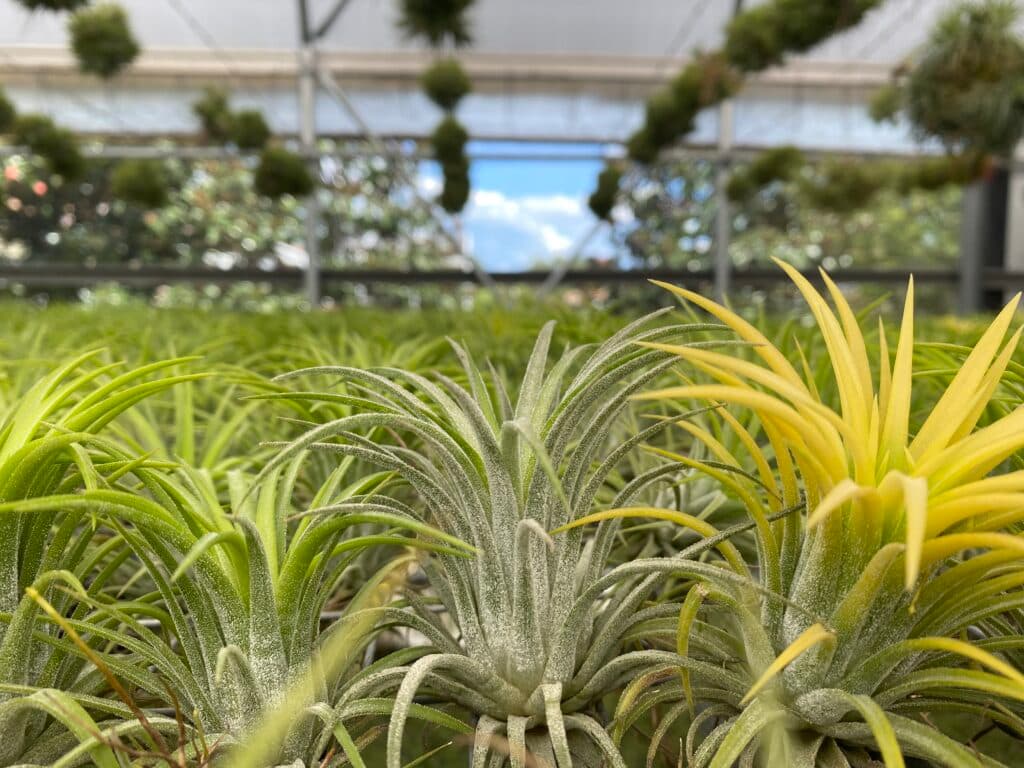
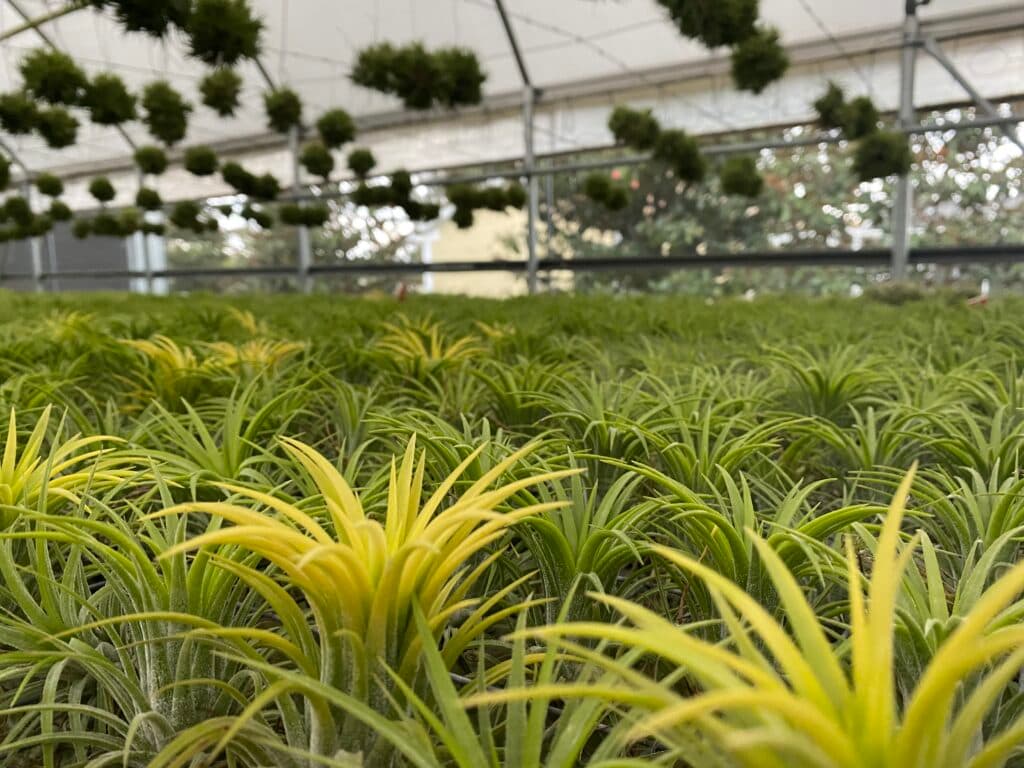
Air Plants, also known as Tillandsia, are a type of epiphytic plant that grows without soil. They absorb water and nutrients directly through their leaves — loved for their unique appearance, low maintenance, and versatility in displays.
Five Things That Make Them Special
Understanding what makes Tillandsia unique helps you sell them with confidence.
Completely Soil-Free
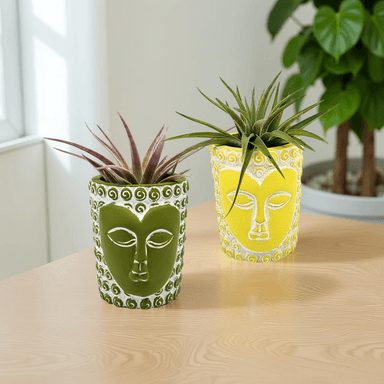
Air Plants are remarkable because they grow completely without soil. Instead of relying on roots to absorb nutrients, they take in moisture and nourishment directly through their leaves. This unique trait allows them to thrive in a wide variety of creative displays — no potting mix or dirt required.
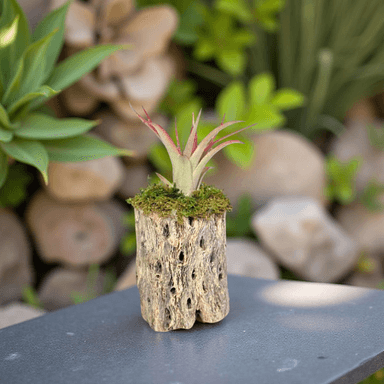
Infinitely Versatile
Tillandsia are incredibly versatile, adapting beautifully to almost any environment. They can be displayed in glass terrariums, mounted on driftwood, hung in creative arrangements, or used in décor pieces. Their ability to thrive without soil makes them perfect for limitless styling ideas.
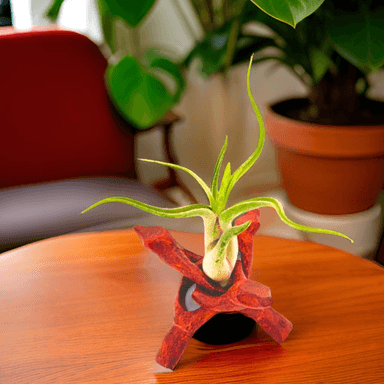
Naturally Resilient
Tillandsia are naturally resilient, able to thrive in a wide range of environments and settings. They can handle varying light levels, occasional neglect, and adapt quickly to new spaces. With just proper airflow, light, and hydration, they'll continue to flourish beautifully.
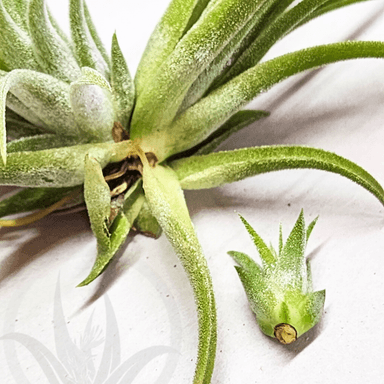
They Multiply Themselves
Air Plants are fascinating for their ability to self-propagate. After blooming, they naturally produce "pups" — small baby plants that grow from the base of the mother plant. Once mature, these pups can be gently separated and grown on their own. This natural life cycle allows your collection to expand effortlessly.
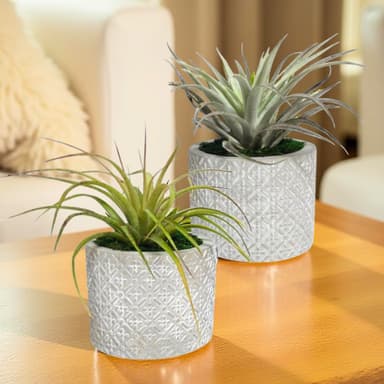
Improve Any Space
Air Plants offer numerous benefits: low maintenance, compact, clean, and mess-free, with a unique aesthetic appeal that enhances any space. Known to improve air quality, boost mood and focus, and last for years. Allergen-friendly, pet-friendly, and loved for their creative display potential.
Why Customers Love Air Plants
Air Plants offer numerous benefits that make them a favourite among plant enthusiasts and an easy sell for retailers. Their creative display potential, beautiful blooms, and year-round availability make them an exceptional choice for homes, offices, and décor of all kinds.
- Low maintenance — minimal care requirements
- Compact and mess-free — no soil, no spills
- Improves air quality in enclosed spaces
- Allergen-friendly and pet-friendly
- Year-round availability
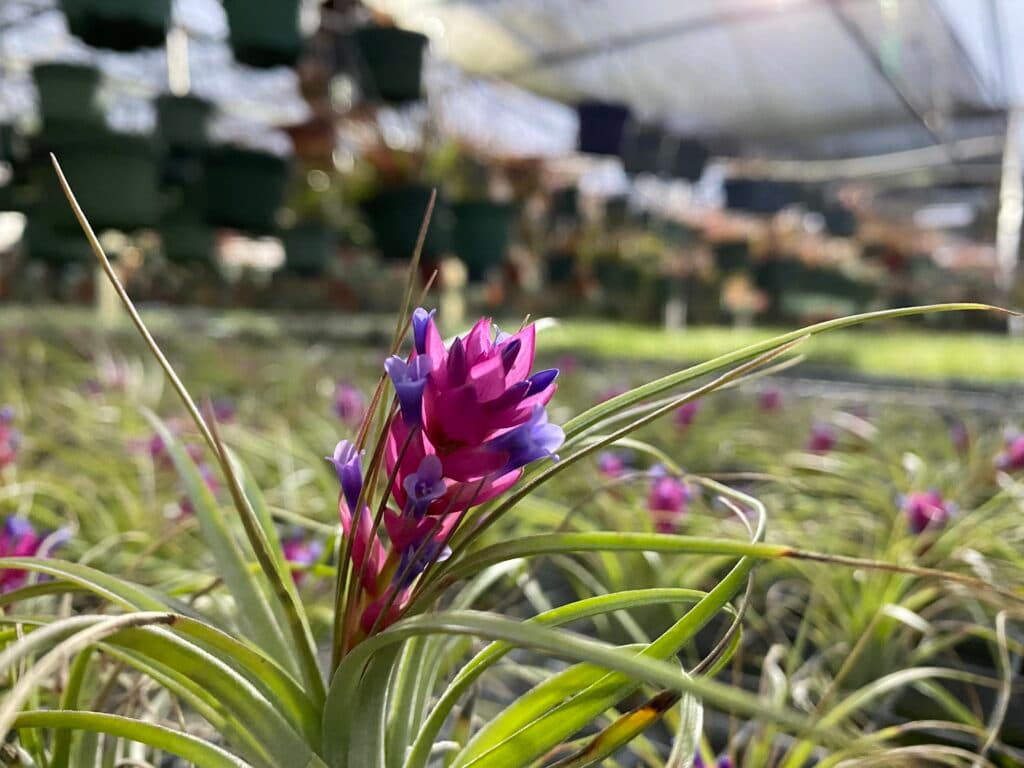
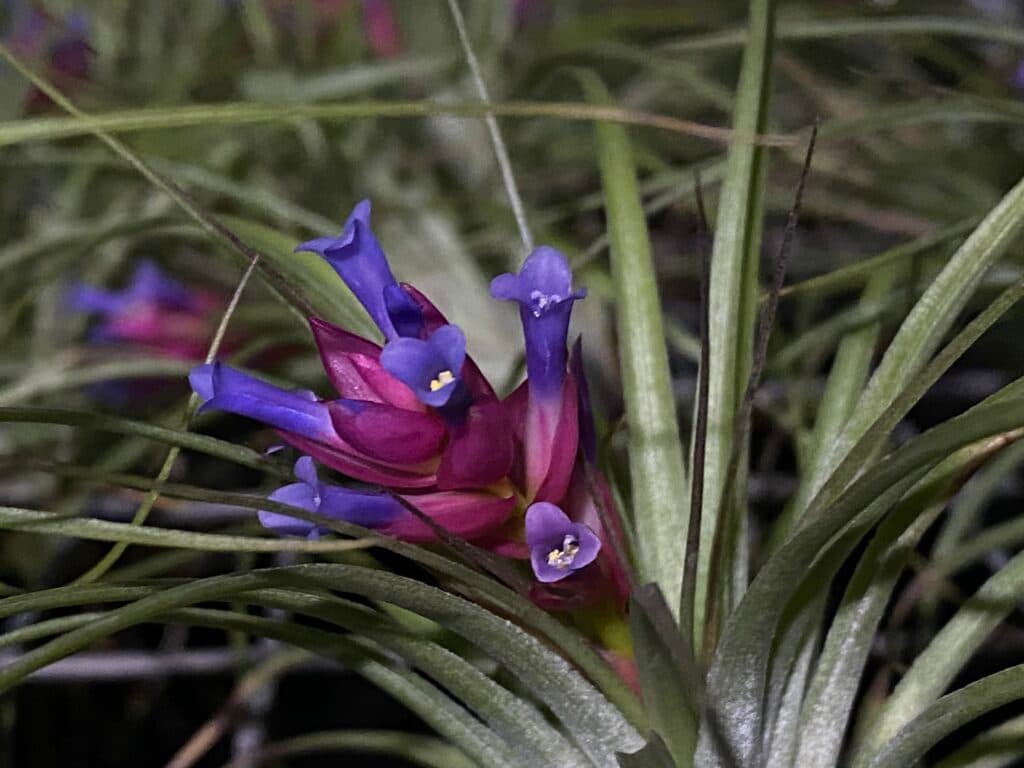
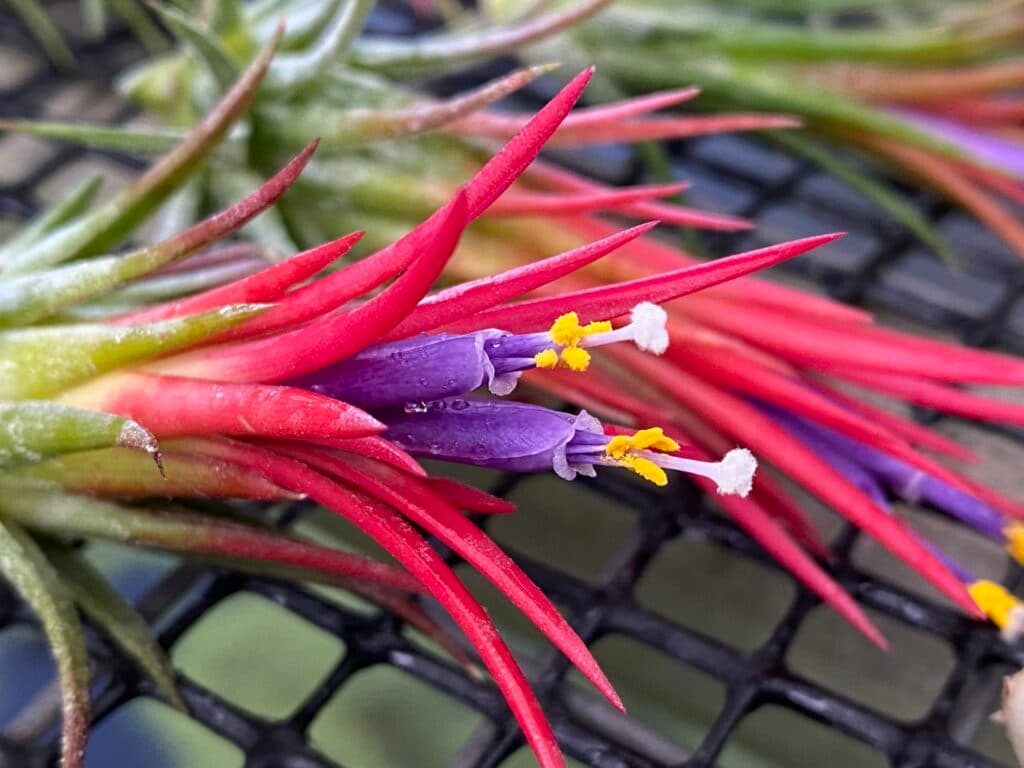
- Beautiful blooms once in their lifetime
- Easy mobility — not rooted to a pot
- High perceived value — premium retail appeal