
Air Plant Care
Care Essentials
Air Plants are unique epiphytes that don't require soil to grow. They're a popular choice for indoor and outdoor spaces due to their unique, low-maintenance nature and aesthetic appeal. This guide covers lighting, watering, temperature, and mounting.
The Seven Essentials
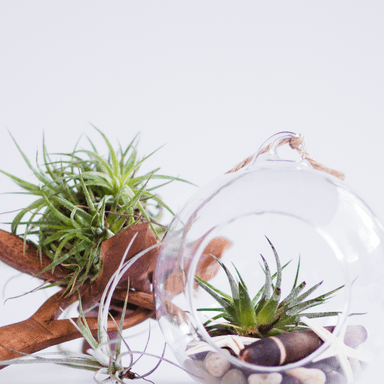
Indoor Care
Tillandsia in homes, offices, or other indoor spaces should receive plenty of bright, filtered light to stay healthy. The best spot is near a window that allows natural light without exposing the plant to direct sunlight during the hottest parts of the year, as softer-leaved species are more sensitive. If natural light is limited, a broad-spectrum fluorescent light is a great alternative.
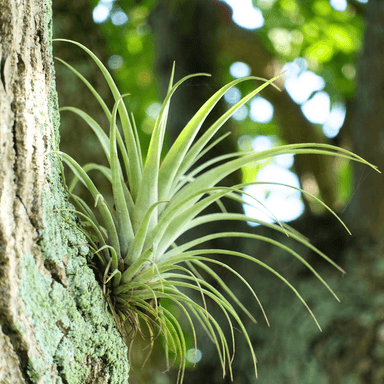
Outdoor Care
Air Plants thrive beautifully outdoors when given bright, filtered sunlight. Hanging them beneath a tree canopy or placing them in a covered, screened patio provides the ideal balance of light and airflow they love. Avoid exposing them to direct sunlight, especially during the summer months, as intense heat can scorch or damage the plants.
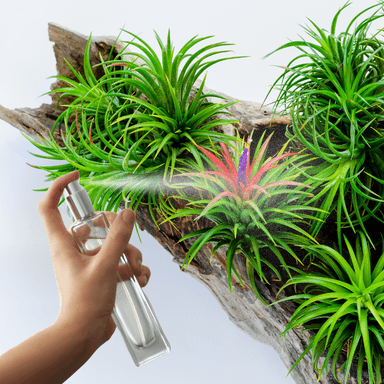
Watering
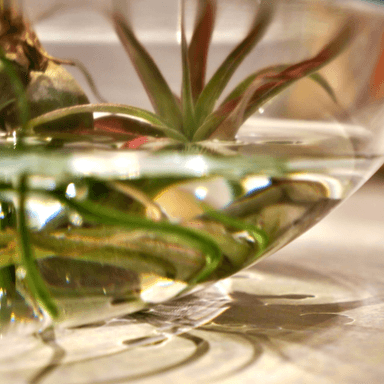
Tillandsias need far less water than most plants, as they absorb moisture through their leaves rather than roots. Use a spray bottle for even watering. In humid areas, mist once a week; in dry climates, mist 2–3 times per week. Alternatively, soak in a bowl of water for 20–30 minutes weekly, then shake off excess and allow to dry within 4 hours. Never let water pool in the base of the plant.
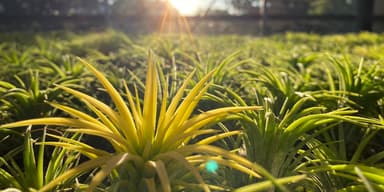
Temperature
Air Plants can tolerate a wide range of temperatures but thrive best between 70°–80°F (21°–27°C). They can also handle warmer conditions up to 90°–100°F (32°–38°C) if provided with extra moisture, good air circulation, and some shade. While many species can survive near-freezing conditions, it's best to avoid exposing them to cold, as freezing temperatures can be fatal. Some varieties may begin to show leaf damage when temps drop below 50°F (10°C).
Fertilization
Fertilize Air Plants once a month by applying nutrients directly to their foliage. Use a liquid or water-soluble plant food that's low in copper, as high copper levels can be harmful to bromeliads. Dilute the fertilizer to one-quarter strength before use. While monthly feeding isn't required for survival, it helps enhance growth, color, and blooming. As with watering, avoid over-fertilizing to prevent damage.
Reproduction
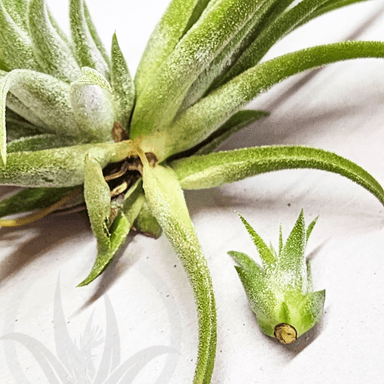
Tillandsia reproduce either by producing offsets (pups) or from seed. Many species develop pups at the base or between the leaves of the mother plant — it's common for 4 to 8 offsets to appear before, during, or after the mother plant's bloom. Once pups reach about one-third to half the size of the parent, they can be gently separated. Growing from seed is rewarding but slow — it can take years for seedlings to reach maturity.
Popular Mounting Options
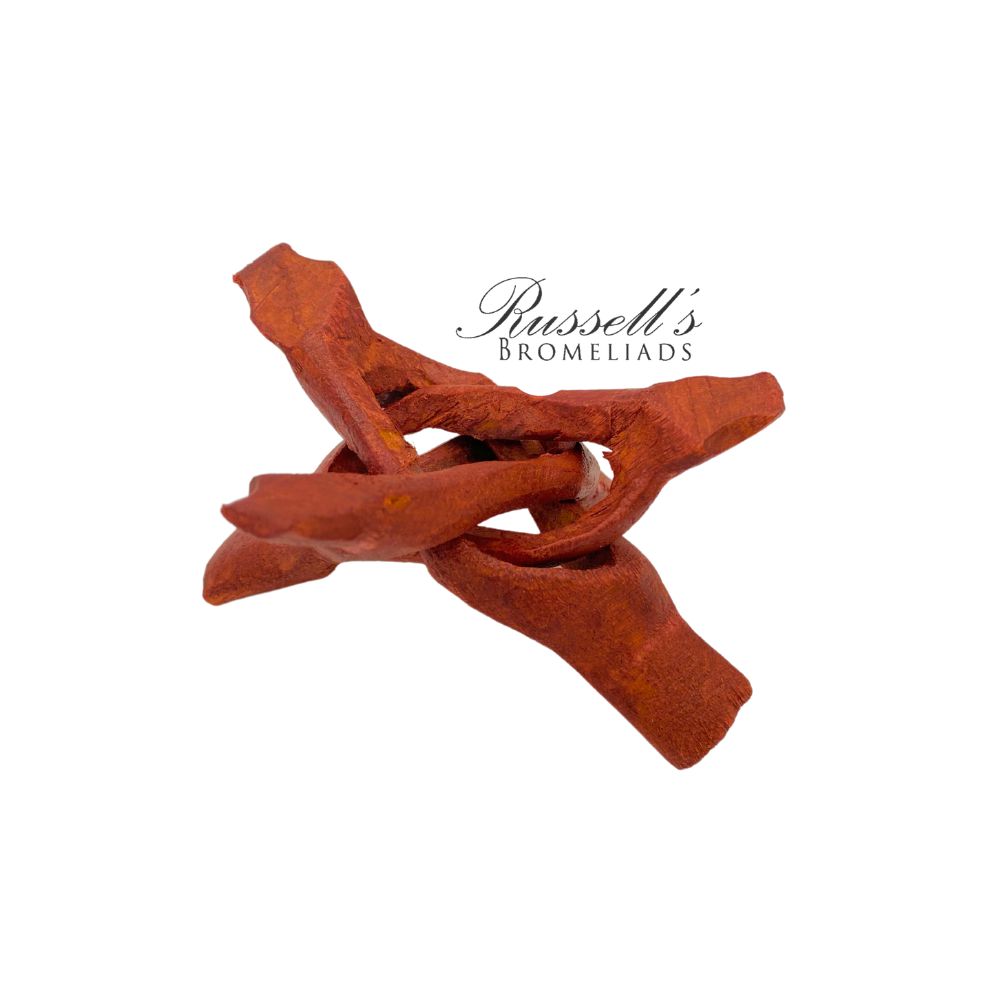
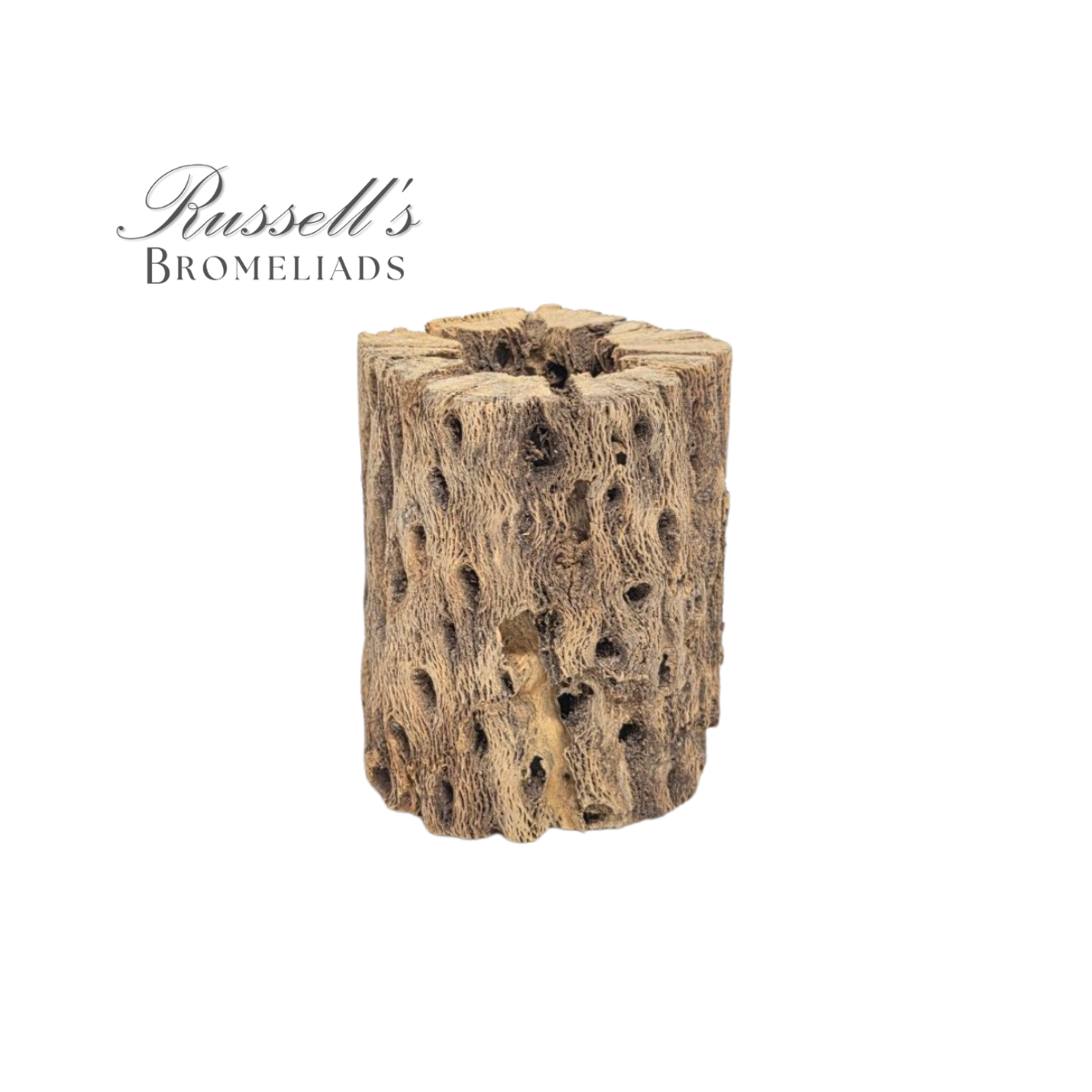
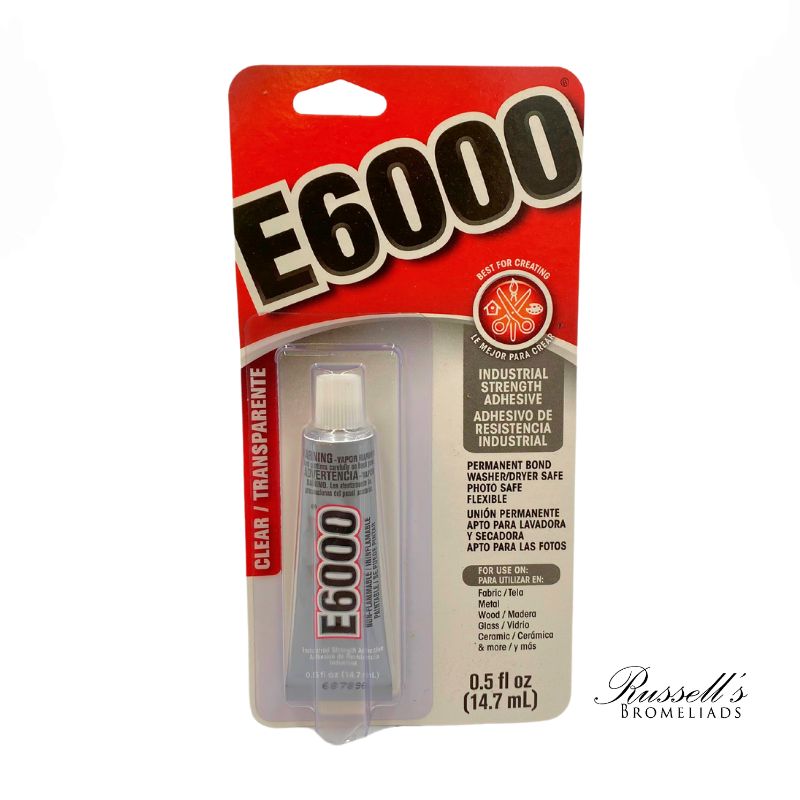
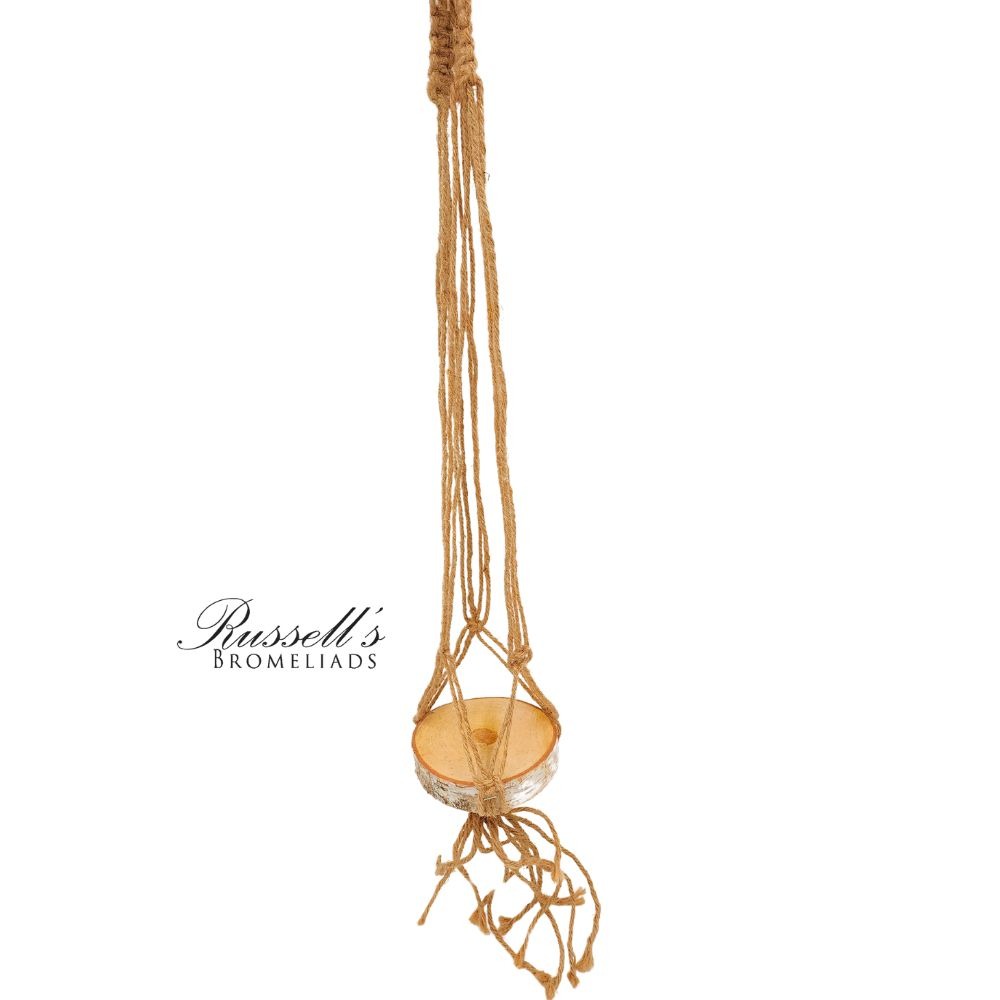
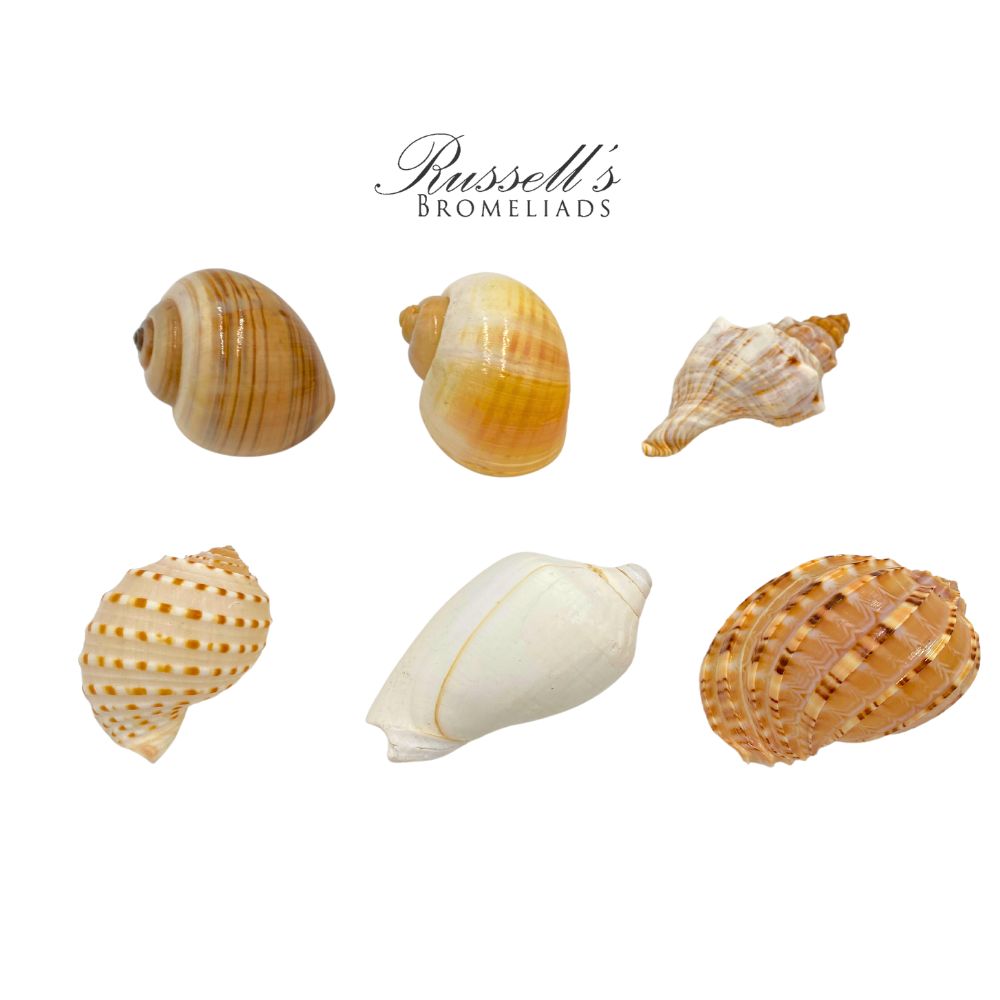
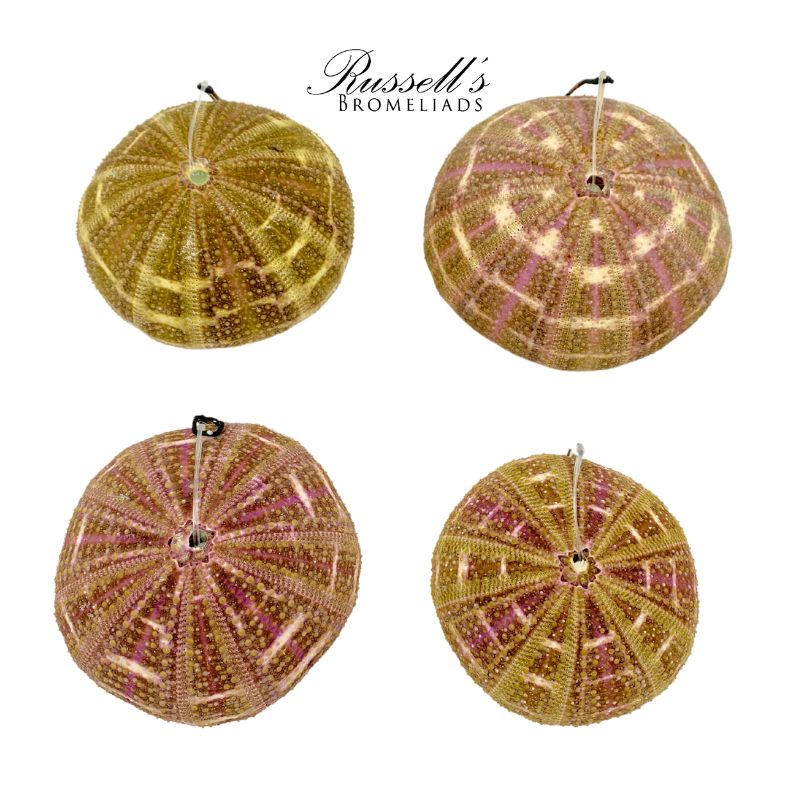
Click any to explore and order the mounting accessories we carry.


Care Immediately After Shipping
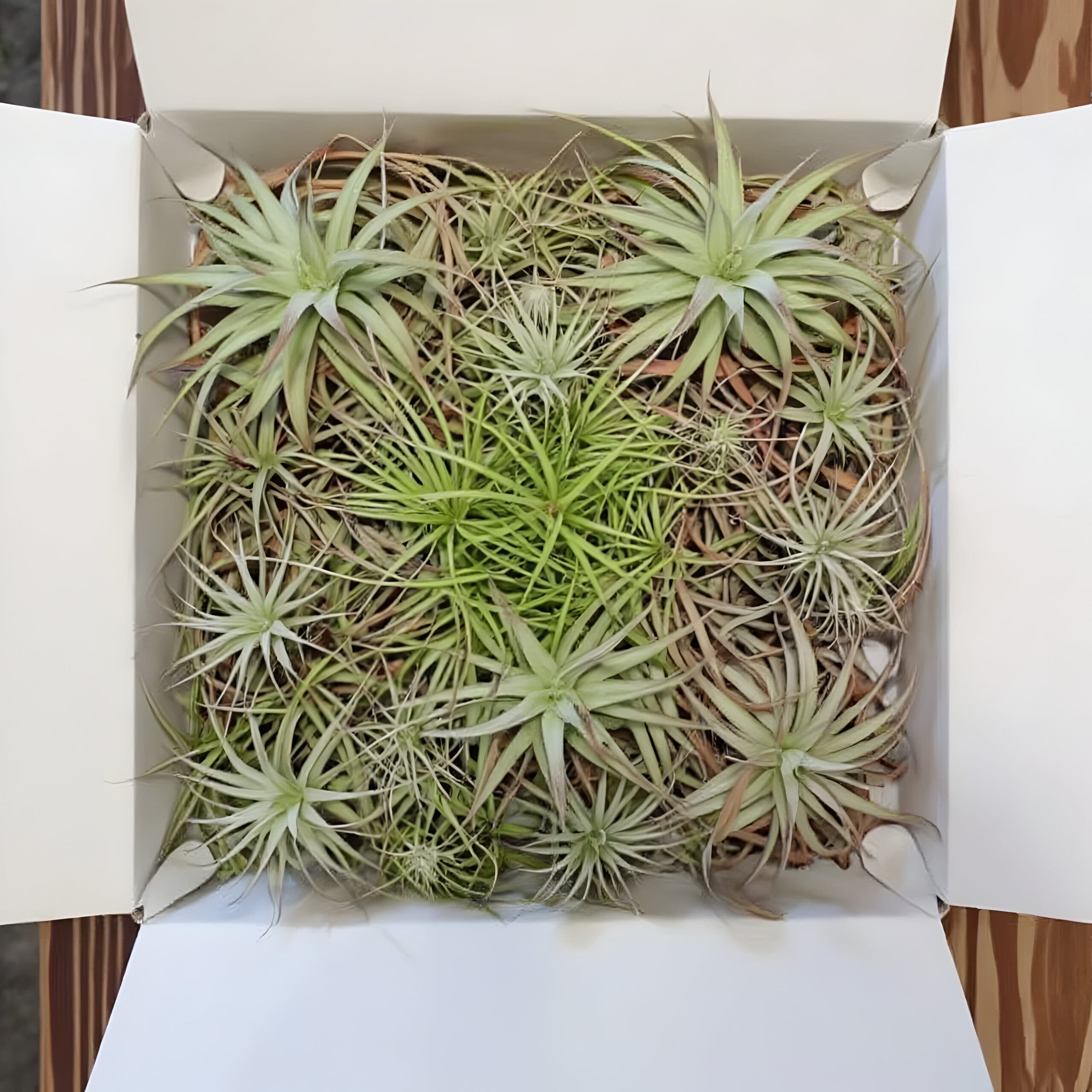
Remember that air plants are living things that, although hardy and resilient, will be put through some strain during the shipping process. They may look poor after being in a dark box for over a week — some species will look worse off than others.
But this is temporary! To remedy this:
- 1Give the plants a thorough watering, ensuring the entire plant is soaked.
- 2Gently shake off any excess water.
- 3Place the plants in a well-ventilated area so they can dry within 1–2 hours (using a fan can help speed this up).
- 4Keep them in a bright spot with indirect sunlight and good air circulation.
- 5Once dry, maintain a regular watering schedule — mist 1–2 times per week using a spray bottle, but avoid overwatering.
With proper care, your Air Plants should begin to recover within a few days to a week.